Tag Archives: Writing

Talk, talk, talk, with Jen Wylie

I am usually a very sun shiny person, however since I’ve gone into super-editing-mode some things have started to drive me nuts. Today’s rant: Character names IN dialogue. Dialogue is one of the most important parts of a story. It needs to be done well and believably!

A crude example:

Sally walked into the kitchen. “Hi, mom.”
“Good morning, Sally!”
“Did you sleep well, mom?”
“You know, Sally, I actually did!”
Sally smiled. “That’s awesome, mom!”

A bit overdone, but are you getting the picture? Pay attention to the next time you have a conversation with anyone, in person or on the phone. Names and even endearments are RARELY used. When they are, it is often at the beginning of a conversation or sparsely within it. In real life names are also used to get a person’s attention, sometimes to single out one within a group. Names are also used in admonishment, such as, “Oh John, you so did not just say that!”

Writers often have a tendency to overuse names in dialogue, perhaps partly to indicate who is speaking to whom. However this is often unnecessary when a conversation is between only two characters. Within a scene with a number of people this can be better done using tags and simple writing; Sally turned to her mom, mom swatted dad on the shoulder, John glared over at dad, etc.

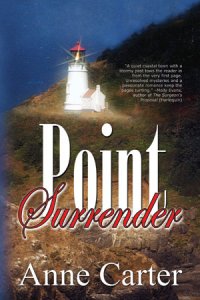
Click Cover to Buy eBook!

Please pay attention in real life and make your dialogue as believable as possible, otherwise I’ll be forced to throw rainbows at you. 😛

Jen Wylie is the author of Jump, an Echelon Press Short Story with more work coming soon. Visit her website or her blog for more information.

Said…schmaid!

As a writer, I make all kinds of mistakes. It happens, I am human. I do try to clean them up before letting others read my work, but sometimes things slip through.

As a reader, I am always annoyed by mistakes in books, especially stupid mistakes. I understand that mistakes will happen, no one is perfect, but there are limits.

As an editor, I have numerous authors royally peeved with me right now because I have taken up a new crusade. Dialogue tags. You know, the things at the end of sentences that are supposed to clarify who is speaking. Okay, the key word here is clarify.

If it is already clear who is speaking, you DON’T need a dialogue tag. An action, perhaps. But you need not include he asked, she said, he queried after every bit of dialogue. It is ANNOYING!

Then there are the things I really hate.

These are things I was taught.

You don’t need a dialogue tag when you use an exclamation point. It is redundant.

No: “Get off me!” he shouted.
Yes: “Get off me!”
Maybe: “Get off me!” He shouted so loud everyone in the room stopped to stare at us.

Same thing with the question mark.

No: “Where did you get that gun?” he asked.
Yes: “Where did you get that gun?”
Maybe: “Where did you get that gun?” Michael asked the question looking very concerned.

Then there are the absolutely ridiculous dialogue tags: (dictionaries may disagree with this, but this is my rant, not theirs)

This is a HISS–no words, just sound

he hissed (try and say something while you are hissing. Hissing is a sound.

he giggled (again, can you say things when you are giggling?)

he grimaced. (Really people? This is a facial expressions–see J.R. Turner’s post on smirking)

she guffawed. (okay, I use she here instead of he because okay, a guffaw is kinda like a hearty laugh. Even if it was okay, most women don’t guffaw, men do.)

he groaned. (again with the noise, not s way of speech.)

A sigh is a physical action, not a dialogue tag. 

Can you speak when you are Guffawing?

A gasp is a physical action, not a dialogue tag. 

A breath (breathed) is a physical action not a dialogue tag.

I am pretty much opposed to any dialogue tag that begins with “he, she, they” because generally speaking the tags are not needed. it is just fluff, filler, extraneous words, poppycock.

And yet, almost EVERY SINGLE manuscript I read has hundreds of instances of these types of things. It’s crazy I tell you!!!


Shoulda-Coulda-You Better!

Click Cover to Buy Now!

So you’ve written a book. How many articles have you seen that begin that way? Well, here’s another one. I am going to give you some very specific tips on stepping boldly into the world of publishing. Actually, I’m going to give you some tips on what to do and not to do when loooking for a publisher.

DO: Submit the cleanest manuscript you possibly can. This means sending it through a series of edits with your critique partner and beta readers.

DON’T: You should never expect a publisher to do all the editing. Their job is to help you put the final touches on your manuscript. While an editor expects to do some editing on a work, it is not in the business of revising small and excessively repetative basic mistakes that EVERY author should be aware of.

DO: Make sure you do your research on the publisher you are submitting to. Talk to their other authors. You will always hear good and bad. Be prepared to hear negative comments from some of them. Not all professional relationships work out. But when you hear negative, don’t assume it is all bad. Double check and if it is a major issue, ask the publisher directly and give them an opportunity to defend negative claims.

Click Cover to Buy Now!

DON’T: Never sign a contract with a publisher you have not fully researched and NEVER sign a contract you have not read. If you are not confident that you understand each item fully, get legal help or ask the publisher to clarify.

DO: The time to begin building name recognition and visibility is when you finish that book, at the very latest. Let the world know you have written a book. If you make yourself visible during the process, you are in essence building a relationship with your readers/viewers and they become invested in your potential succes.

DON’T: Waiting until you have a contract to begin your marketing campaign is a huge mistake. In this age of the Internet, there are millions of people writing and publishing books. It is YOUR job to present your product (and for new authors that is YOURSELF) and to let potential readers know why your book is worht their investment of time and money.

DO: There are so many options available to authors for publication. You should research each and every one of them to discover what is right for you.

Click Cover to Buy Now!

DON’T: It is extremely unprofessional to go into a contract with a publisher or anyone when you are not 100% certain of your committment. When working with a publisher, you should be willing to do whatever you would do if you were doing it for yourself.

The publishing industry changes on a daily basis and there will always be some new thing to come along that looks shiny and bright. But keep in mind shiny doesn’t always last. Things tarnish and turn grey with time. What you think is a great thing today may evolve into something unrecognizable the next.

And for those of you who decide to self publish. I wish you the very best of luck and success. Your journey will be exciting and filled with so much; joy and heartache. Please remember that you are publishing for the readers, not for yourself. You wrote the book for you, but publishing means you want others to enjoy it. With this in mind, make certain you put out the very best product you can, from front cover to back. Your readers deserve the best you have to offer.

Good luck!